How is nasal osteotomy done?
Osteotomy is a procedure in which the nasal bones are cracked and moved to a different position to slim down a wide bridge or to straighten a crooked bridge.
Dr. Kim Sang-ho ยท Rococo Plastic Surgery
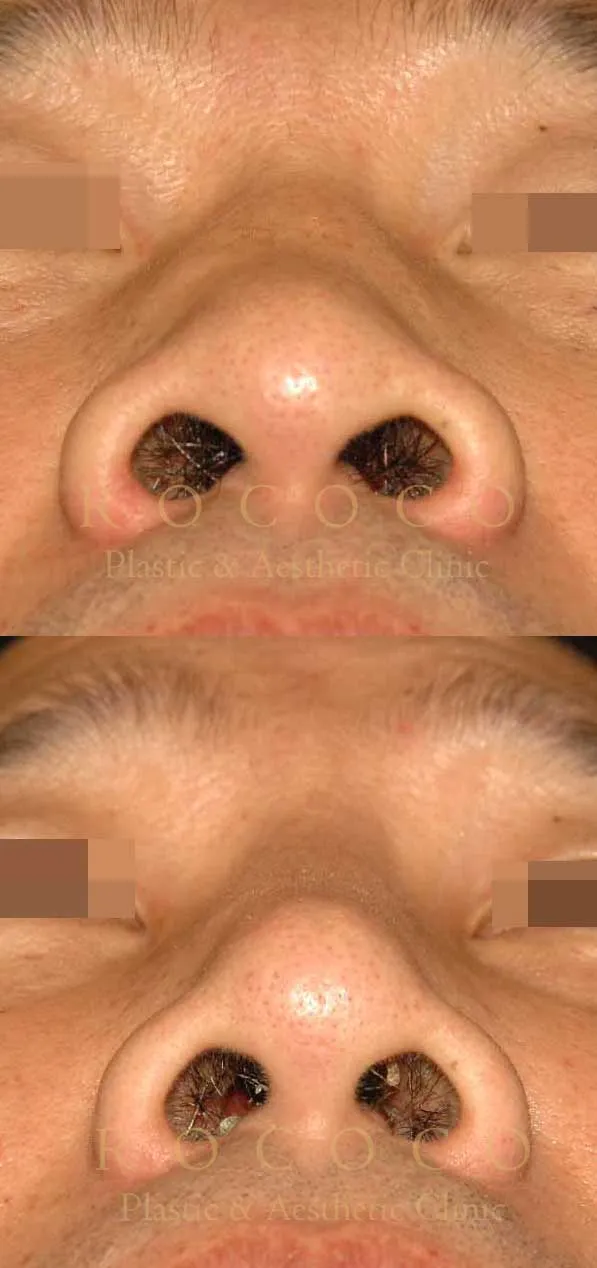
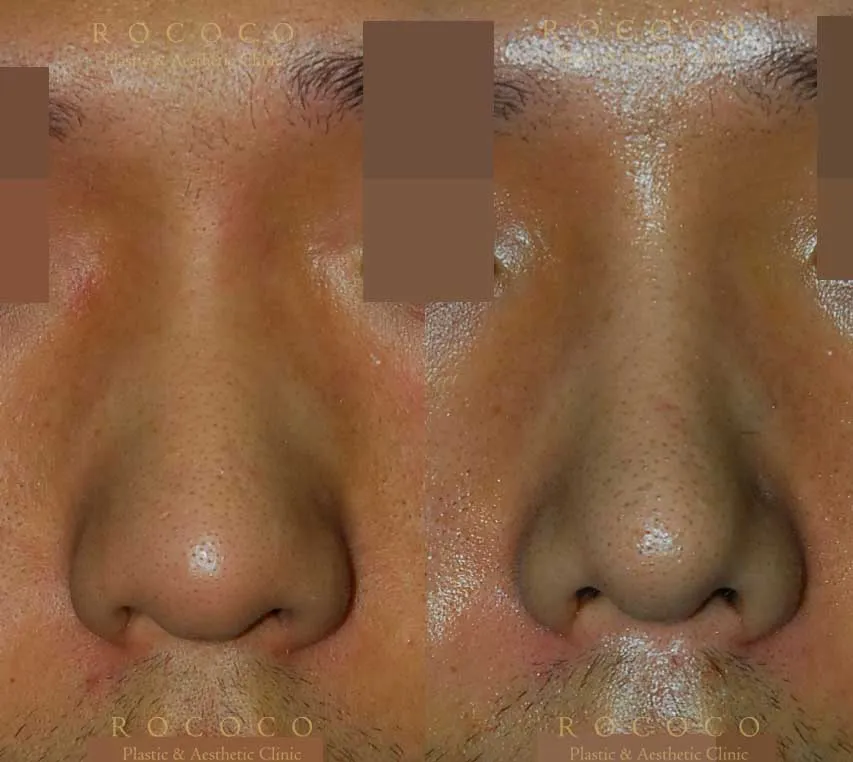
Nasal osteotomy โ view from below, before and after
This page is an English translation of Dr. Kim Sang-ho's Korean columns. The original Korean text is shown under each quote.
For that reason, just remember that " area C cannot be narrowed. "
In consultations I meet many people with a vague fear of osteotomy. "Won't my nasal bones be smashed and collapse?" "I heard they pound it with a big hammer.. it's too scary, I can't do it." "Another clinic said it has to be done under general anesthesia, so why do you do it under sedation? Isn't it dangerous?" and so on..
Human nasal bones are very small, thin bones. When a small, slender instrument called an osteotome is placed against the bone and tapped very lightly, the bone cracks. Then, by pressing gently with the hand, the nasal bones can be moved to the desired position.
โ Dr. Kim Sang-ho
์๋ด์ ํ๋ค๋ณด๋ฉด ์ ๊ณจ์ ๋ํ ๋ง์ฐํ ๋๋ ค์์ ๊ฐ์ง ๋ถ๋ค์ ๋ง์ด ๋ณด๊ฒ ๋๋ต๋๋ค. "์ฝ๋ผ๋ฅผ ๋ค ๊นจ์ ๋ด๋ ค์๋๊ฑด ์๋๋?" "ํฐ ๋ง์น๋ก ๋ง ๋ด๋ ค์น๋ค๋๋ฐ.. ๋๋ฌด ๋ฌด์์์ ๋ชปํ๊ฒ ๋ค" "๋ค๋ฅธ ๋ณ์์ ์ ์ ๋ง์ทจ๋ก ํด์ผ ํ๋ค๋๋ฐ ์ ์ฌ๊ธฐ์ ์๋ฉด๋ง์ทจ๋ก ํ๋๋? ์ํํ์ง ์๋?" ๋ฑ๋ฑ..
์ฌ๋์ ์ฝ๋ผ๋ ๋งค์ฐ ์๊ณ ์์ ๋ผ๋๋๋ค. ์๊ณ ๊ฐ๋ ์ ๊ณจ๋๋ผ๋ ๊ธฐ๊ตฌ๋ฅผ ๋๊ณ ์์ฃผ ์ด์ง ํกํก ์ณ์ฃผ๋ฉด ๋ผ์ ๊ธ์ด ๊ฐ๊ฒ ๋ฉ๋๋ค. ๊ทธ๋ฐ ํ ์์ผ๋ก ์ง๊ทธ์ ๋๋ฌ์ฃผ๋ฉด ์ํ๋ ์์น๋ก ์ฝ๋ผ๋ฅผ ์ฎ๊ธธ ์ ์๋ ๊ฒ์ด๋๋๋ค.
When a large hump needs to be removed, it is sometimes removed using an osteotome.
If too much of the hump is removed, the middle of the bridge looks pressed down, so the nasal bones on both sides have to be osteotomized (osteotome) โ that is, cracked โ and brought inward to create a smooth bridge ridge.
โ Dr. Kim Sang-ho
๋งค๋ถ๋ฆฌ๋ฅผ ํฌ๊ฒ ์ ๊ฑฐํด์ผ ํ๋ ๊ฒฝ์ฐ๋ ์ ๊ณจ๋๋ฅผ ์ด์ฉํด์ ์ ๊ฑฐํ๋ ๊ฒฝ์ฐ๋ ์์ต๋๋ค.
๋งค๋ถ๋ฆฌ๋ฅผ ๋๋ฌด ๋ง์ด ์ ๊ฑฐํ๋ฉด ์ฝง๋ ๊ฐ์ด๋ฐ ๋ถ์๊ฐ ๋๋ฆฐ๊ฒ์ฒ๋ผ ๋ณด์ด๊ฒ ๋๋ฏ๋ก ์ ์์ ์ฝ๋ผ๋ฅผ ์ ๊ณจ(osteotome)-๋ผ์ ๊ธ์ด ๊ฐ๊ฒ ๋ง๋๋ ๊ฒ-ํด์ ์์ชฝ์ผ๋ก ๋ชจ์์ฃผ์ด์ผ ๋ถ๋๋ฌ์ด ์ฝง๋๋ฅ์ ์ ๋ง๋ค ์ ์๋ต๋๋ค.
When I was first doing a lot of nose surgery, I liked to do osteotomies. If the bridge seemed even a little wide, I would recommend osteotomy.
And since then, I have become sparing with osteotomy.
Korean nasal bones are small, so personally I think there are quite few cases where osteotomy is needed. It only raises the cost of surgery for nothing.. and increases the chance of infection, so my opinion is that it is best done only when it is truly! needed.
โ Dr. Kim Sang-ho
์ ๋ ์ฒ์ ์ฝ์์ ์ ํ์ฐฝ ์ด์ฌํ ํ ๋๋ ์ ๊ณจ์ ์ ์ฆ๊ฒจํ์ต๋๋ค. ์ฝง๋๊ฐ ์กฐ๊ธ๋ง ๋๋ค ์ถ์ผ๋ฉด ์ ๊ณจ์ ๊ถํด๋๋ฆฌ๊ณค ํ์ต๋๋ค.
๊ทธ๋ฆฌ๊ณ , ๊ทธ ์ดํ๋ก ์ ๊ณจ์ ์ ์๋ผ๊ฒ ๋์์ต๋๋ค.
ํ๊ตญ ์ฌ๋๋ค ์ฝ๋ผ๊ฐ ์์์ ๊ฐ์ธ์ ์ผ๋ก๋ ์ ๊ณจ์ ์ด ํ์ํ ๊ฒฝ์ฐ๊ฐ ์๋นํ ์ ๋ค๊ณ ์๊ฐํฉ๋๋ค. ๊ดํ ์์ ๋น๋ง ์ฌ๋ผ๊ฐ๊ณ .. ์ผ์ฆ ๊ฐ๋ฅ์ฑ์ด ์ฆ๊ฐ๋๋ ๊ผญ! ํ์ํ ๊ฒฝ์ฐ์๋ง ํ๋๊ฒ ์ข๋ค๋ ์ ์ ์๊ฒฌ์ ๋๋ค.
There seem to be some surgeons who insist that osteotomy must be done under general anesthesia; I think surgeons who say so probably hold that view because a lot of bleeding occurs during their osteotomies.
When I do an osteotomy, except in very special cases, there is almost no bleeding, so there is almost never a need to pack the nostrils after osteotomy either. If you understand well the positional relationship between the mucosa inside the nose and the osteotome when performing an osteotomy, a bleeding-free procedure like this is possible. So naturally, osteotomy can be done under sedation.
โ Dr. Kim Sang-ho
๊ทธ๋ฆฌ๊ณ ์ ๊ณจ์ ๋ฐ๋์ ์ ์ ๋ง์ทจ๋ก ํด์ผํ๋ค๊ณ ์ฃผ์ฅํ์๋ ์ ์๋์ด ๊ณ์ ๋ฏ ํ๋ฐ, ๊ทธ๋ ๊ฒ ๋ง์ํ์๋ ์ ์๋์ ์๋ง๋ ์ ๊ณจ์์ ๋ง์ ์ถํ์ด ์๊ธฐ๊ธฐ ๋๋ฌธ์ ๊ทธ๋ฐ ์๊ฐ์ ๊ฐ์ง์ ๋ฏ ํฉ๋๋ค.
์ ๊ฐ ์ ๊ณจ์ ํ ๋์๋ ์์ฃผ ํน์ํ ๊ฒฝ์ฐ๋ฅผ ์ ์ธํ๊ณ ๋ ๊ฑฐ์ ์ถํ์ด ์๊ธฐ์ง ์์ผ๋ฉฐ, ๊ทธ ๋์ ์ ๊ณจํ์๋ ์ฝง๊ตฌ๋ฉ์ ๋ง๋ ๊ฒฝ์ฐ๊ฐ ๊ฑฐ์ ์๋ต๋๋ค. ์ฝ์์ชฝ ์ ๋ง๊ณผ ์ ๊ณจ๋์ ์์น๊ด๊ณ๋ฅผ ์ ์ดํดํ๊ณ ์ ๊ณจ์ ์ ์ํํ๋ฉด ์ด๋ ๊ฒ ์ถํ์๋ ์์ ์ด ๊ฐ๋ฅํฉ๋๋ค. ๊ทธ๋ฌ๋ ๋น์ฐํ ์๋ฉด๋ง์ทจ๋ก ์ ๊ณจ์ด ๊ฐ๋ฅํ ๊ฒ์ด์ง์.
Cracks are made in two places, A (medial osteotomy) and B (lateral osteotomy).
I do the medial osteotomy in the usual way,
and for the lateral osteotomy, I use a 2 mm osteotome to crack the bone directly through a small hole from outside the skin.
Pressing with a finger in the direction of the arrow pushes the bone inward.
The pushed-in nasal bones set in that position after about 2 weeks.
There are two main osteotomy methods: internal osteotomy and external osteotomy. Each surgeon has their own method; personally, I use both. Both methods have pros and cons, so I choose the one that offers the most advantages for each client's nose.
Some people think osteotomy narrows the whole bridge or even the tip, but that is not so; it is a surgery that narrows only part of the middle of the bridge.
'' When a bridge osteotomy is done together with surgery that places silicone or another implant in the bridge, the chance of infection rises. ''
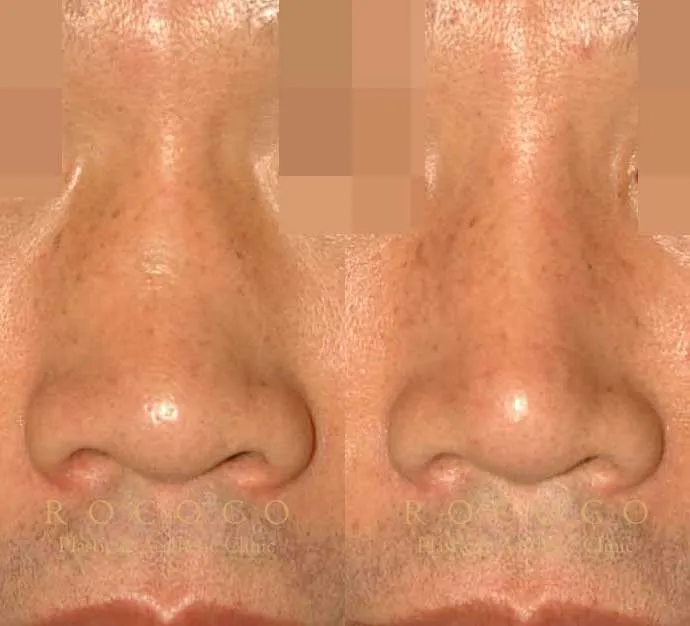
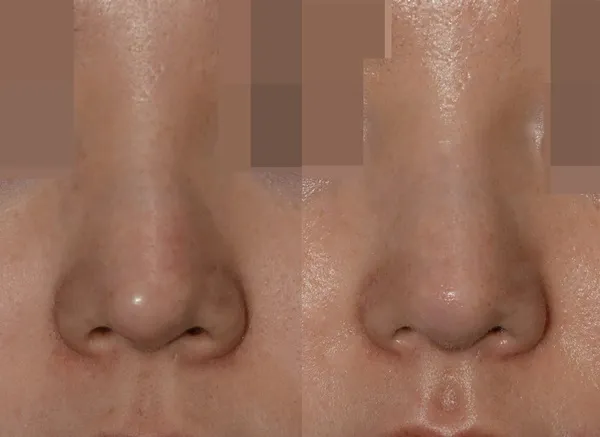
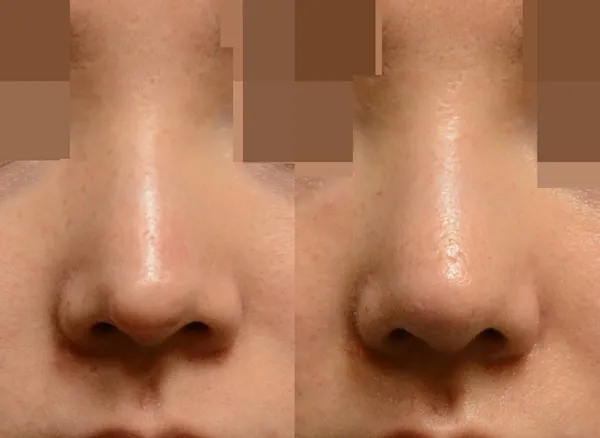
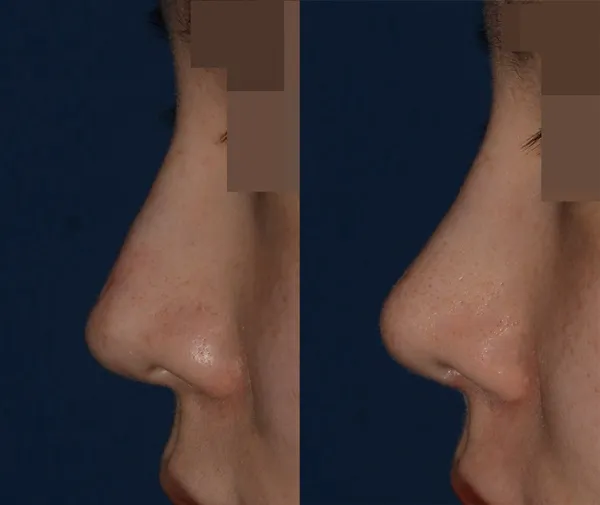
You can see that the bridge has become slimmer with osteotomy. As the swelling goes down, the bridge becomes even sleeker.
The pushed-in nasal bones set in that position after about 2 weeks.
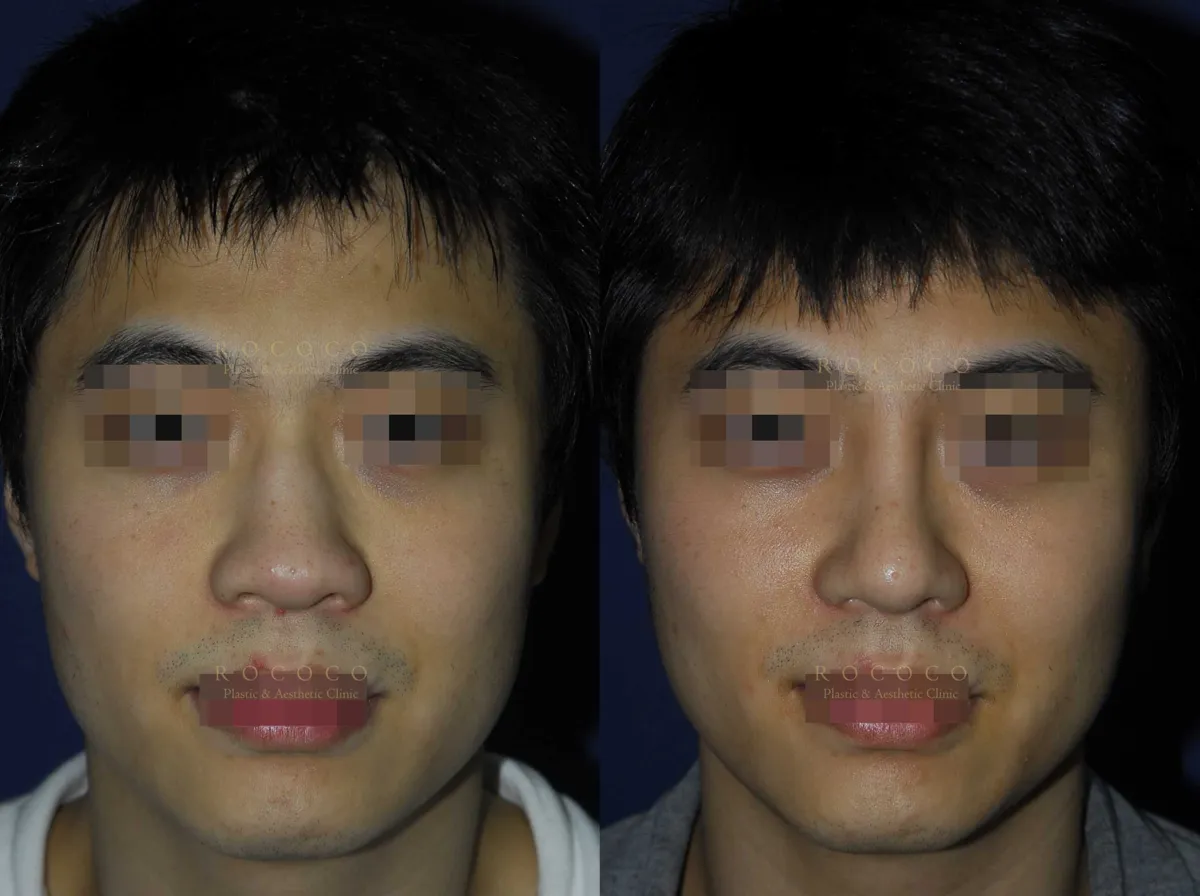
It is 2ยฝ weeks after surgery, so the tip is still quite swollen, and
Swelling from nose surgery, including residual swelling, goes down over 1ยฝ to 2 years.
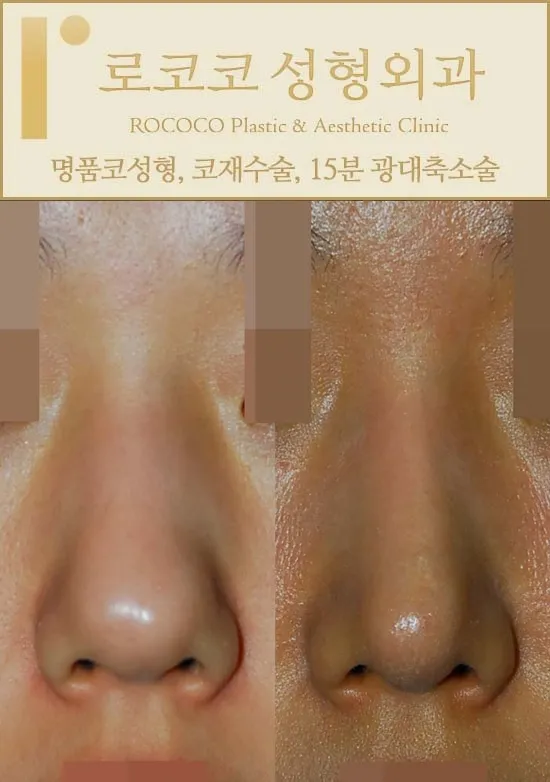
In photos, the effect of osteotomy shows best when viewed from below.

From below

Front ยท wide nasal bones

Front, 2ยฝ weeks

Front, indoor lighting

Side

Front ยท hump & bulbous tip

Crooked nose, front

Revision, front
Results vary from person to person.
In conclusion, I explain this possibility to the patient and do osteotomy after discussing it together only when the nasal bones are large and wide enough for osteotomy to have a clear effect; and in implant-free hump nose rhinoplasty, because no implant is used, I do osteotomy in every case where it is needed.
While looking through the surgical records of patients who came in with swelling, at some point I went "Huh?" and realized: in many cases, they were people who had had osteotomy in the past. Looking back, I have been lucky that there has been no case where osteotomy caused an infection serious enough to require removing the implant.
Most hump noses are crooked to some degree, though it varies. It isn't very noticeable when the bridge is low, but if surgery is done without considering this, the crooked look becomes obvious once the bridge is raised. When doing osteotomy, cutting the asymmetric nasal bones asymmetrically as well minimizes the crooked look, and making the bridge slimmer also gives a more three-dimensional look.
People with fair, thin, translucent skin, like the client in the photo, tend to bruise a bit more easily. There was a little more bruising because of the osteotomy and eye surgery.
Right now, hold the cheek skin on both sides of area C with your hands and pull outward. If you breathe through your nose like that, you can breathe easily; if you then push that area inward to narrow it and breathe through your nose, you will feel that breathing becomes stuffy. Because it is another nostril hidden inside the nose, it is called the nasal valve.