How is rib cartilage rhinoplasty done?
Of ear cartilage, septal cartilage and rib cartilage, the one least likely to bend when used to raise the nasal tip is rib cartilage. That is, assuming every material is used well.
Dr. Kim Sang-ho ยท Rococo Plastic Surgery
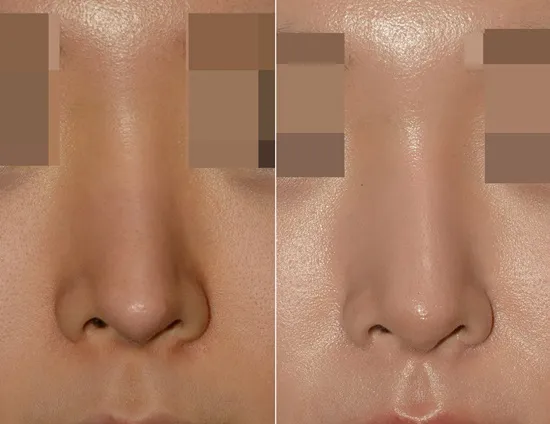
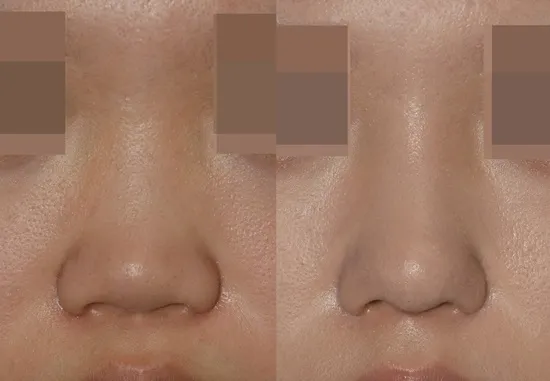
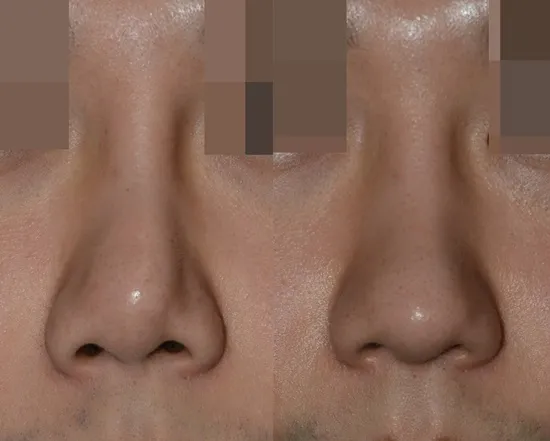
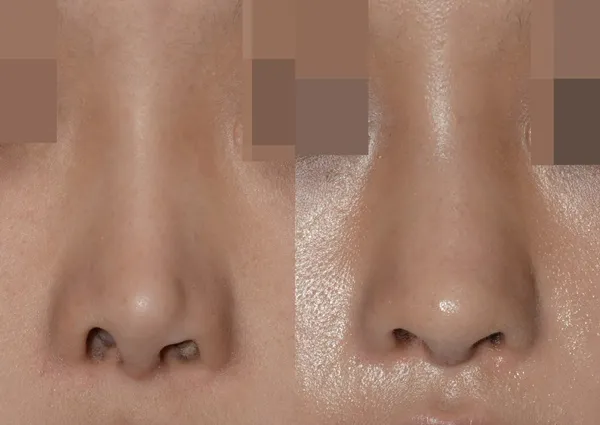
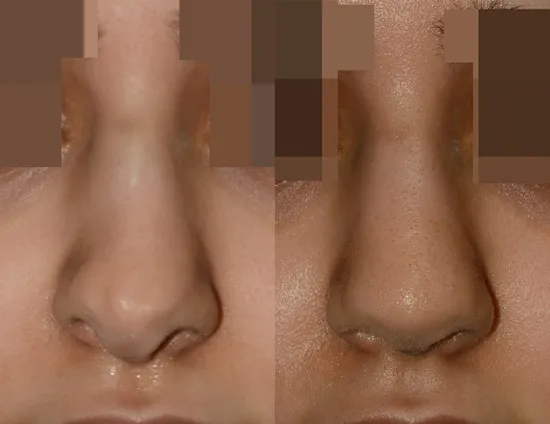
Rib cartilage rhinoplasty โ front view, before and after
This page is an English translation of Dr. Kim Sang-ho's Korean columns. The original Korean text is shown under each quote.
There are these three, and for a long time I have done a great many nose surgeries using all three of them.
Until 4โ5 years ago, I also used donor rib cartilage from time to time. That was because I could understand patients' fear? anxiety? about having rib cartilage taken from their side.
However, through long-term direct and indirect experience of what became of the many donor rib cartilages used in revision rhinoplasty, for contracted noses, upturned noses and so on, I came to see quite often that a fair number of donor rib cartilages were partly or almost completely absorbed in the nasal tip, so that the tip turned up again or dropped and revision surgery was needed.
Of course, it is possible that I have judged donor rib cartilage more negatively because the people who came to me for autologous rib cartilage rhinoplasty were those who had problems after donor rib cartilage surgery at other clinics.
โ Dr. Kim Sang-ho
์ ๋ 4~5๋ ์ ๊น์ง๋ ๊ฐ๋ ๊ธฐ์ฆ ๋์ฐ๊ณจ์ ์ฌ์ฉํ์์ต๋๋ค. ์๊ตฌ๋ฆฌ์์ ๋์ฐ๊ณจ์ ์ป๋๋ค๋๋ฐ ๋ํ ํ์๋ถ๋ค์ ๊ณตํฌ? ๋ถ์?์ ์ดํดํ ์ ์์๊ธฐ ๋๋ฌธ์ ๋๋ค.
ํ์ง๋ง, ๊ตฌ์ถ์ฝ ๋ค๋ฆฐ์ฝ ๋ฑ ์ฝ์ฌ์์ ์์ ์ฌ์ฉ๋ ์๋ง์ ๊ธฐ์ฆ๋์ฐ๊ณจ์ ์ด๋ช ์ ์ง๊ฐ์ ์ ์ผ๋ก ์ฅ๊ธฐ๊ฐ ๊ฒฝํํ๋ฉด์ ๊ฝค ๋ง์ ์์ ๊ธฐ์ฆ๋์ฐ๊ณจ์ด ์ฝ๋์์ ์ผ๋ถ ํน์ ๊ฑฐ์ ๋๋ถ๋ถ ํก์๋์ด ์ฝ๋์ด ๋ค์ ๋ค๋ฆฌ๊ฑฐ๋ ๋ฎ์์ ธ์ ์ฌ์์ ์ ํ๊ฒ ๋๋ ๊ฒฝ์ฐ๋ฅผ ์ข ์ข ๋ณด๊ฒ ๋์์ต๋๋ค.
๋ฌผ๋ก , ์ฌ๊ธฐ์๋ ํ๋ณ์์์ ๊ธฐ์ฆ๋์ฐ๊ณจ๋ก ์์ ์ ๋ฐ์ผ์๊ณ ๋ฌธ์ ๊ฐ ๋ ๋ถ๋ค์ด ์๊ฐ๋์ฐ๊ณจ ์ฝ์ฑํ์ ๋ฐ๊ธฐ ์ํด์ ์ ๋ฅผ ์ฐพ์์ฃผ์ จ๊ธฐ ๋๋ฌธ์ ๊ธฐ์ฆ๋์ฐ๊ณจ์ ๋ํด์ ๋ ์์ข๊ฒ ํ๋จํ์ ๊ฐ๋ฅ์ฑ์ด ์กด์ฌํฉ๋๋ค.
Of course, raising the nasal tip with autologous rib cartilage is no 100% guarantee that the nose will not bend. This is because a bending nose is a very complex problem, not just a matter of the tip cartilage. In any case, comparing only the autologous cartilages used to raise the tip, the chance of the nose bending with rib cartilage is ve~ry low compared with the other cartilages.
However, as someone who uses ear, septal and rib cartilage widely and evenly, I will say it once more with confidence based on ample experience: " When the nasal tip is raised with rib cartilage, the chance of the nose bending is the lowest. "
There are several reasons why rib cartilage bends the least of the three cartilages, and the key point is that <rib cartilage is large and firm>.
โ Dr. Kim Sang-ho
๋ฌผ๋ก ์๊ฐ๋์ฐ๊ณจ๋ก ์ฝ๋์ ๋์ธ๋ค๊ณ ํด์ 100% ์ฝ๊ฐ ํ์ด์ง์ง ์๋๋ค๋ผ๋ ๋ณด์ฅ์ ์์ต๋๋ค. ์ฝ๊ฐ ํ๋ค๋ ๊ฒ์ ์ฝ๋ ์ฐ๊ณจ๋ง์ ๋ฌธ์ ๊ฐ ์๋ ๋งค์ฐ ๋ณตํฉ์ ์ธ ๋ฌธ์ ์ด๊ธฐ ๋๋ฌธ์ธ๋ฐ์, ์ด์จ๊ฑฐ๋ ์ฝ๋์ ๋์ด๋๋ฐ ์ฌ์ฉํ๋ ์๊ฐ์ฐ๊ณจ๋ง์ผ๋ก ๋น๊ตํ๋ฉด ๋์ฐ๊ณจ์ด ๋ค๋ฅธ ์ฐ๊ณจ์ ๋นํด์ ์ฝ๊ฐ ํ ํ๋ฅ ์ ๋งค~์ฐ ๋ฎ์ต๋๋ค.
ํ์ง๋ง, ๊ท/๋น์ค๊ฒฉ/๋์ฐ๊ณจ ๋ชจ๋ ๊ณจ๊ณ ๋ฃจ ๋ค์ํ๊ฒ ์ฌ์ฉํ๋ ์ ๊ฐ ์ถฉ๋ถํ ๊ฒฝํ์ ๋ฐํ์ผ๋ก ํ์ ์ ๊ฐ์ง๊ณ ๋ค์ ํ ๋ฒ ๋ง์๋๋ฆฝ๋๋ค. " ๋์ฐ๊ณจ๋ก ์ฝ๋์ ๋์์ ๋ ์ฝ๊ฐ ํ ํ๋ฅ ์ด ๊ฐ์ฅ ๋ฎ์ต๋๋ค. "
์ธ ๊ฐ์ง ์ฐ๊ณจ ์ค์์ ๋์ฐ๊ณจ์ด ๊ฐ์ฅ ๋ ํ๋ ์ด์ ๋ ์ฌ๋ฌ๊ฐ์ง๊ฐ ์๋๋ฐ์, ๊ฐ์ฅ ํต์ฌ ํฌ์ธํธ๋ <๋์ฐ๊ณจ์ ํฌ๊ณ ๋จ๋จํ๋ค> ๋ผ๋ ๊ฒ์ ๋๋ค.
When I do rhinoplasty with rib cartilage, in most cases I use rib cartilage only for the nasal tip.
These days.. I use a silicone implant as much as possible, and build the bridge with rib cartilage only when I judge that an implant really cannot be used.
The reason is that when I compare silicone implants vs. autologous rib cartilage as materials for raising the bridge, both have pros and cons, but in my experience I judged that silicone implants have more advantages, and I still firmly hold that view.
โ Dr. Kim Sang-ho
์ ๊ฐ ํ์์ ๋์ฐ๊ณจ ์ด์ฉํด์ ์ฝ์ฑํ ํ ๋๋ ๋๋ถ๋ถ ์ฝ๋์๋ง ๋์ฐ๊ณจ์ ์ฌ์ฉํฉ๋๋ค.
์์ฆ์.. ์ต๋ํ ์ค๋ฆฌ์ฝ ๋ณดํ๋ฌผ์ ์ฐ๊ณ ๋์ ํ ๋ณดํ๋ฌผ ์ฌ์ฉ์ด ๋ถ๊ฐ๋ฅํ๋ค๊ณ ํ๋จ๋๋ ๊ฒฝ์ฐ์๋ง ๋์ฐ๊ณจ๋ก ์ฝง๋๋ฅผ ๋ง๋ค์ด์ฃผ๊ณ ์์ต๋๋ค.
๊ทธ ์ด์ ๋ ์ฝง๋๋ฅผ ๋์ด๋ ์ฌ๋ฃ๋ก ์ค๋ฆฌ์ฝ ๋ณดํ๋ฌผ vs ์๊ฐ๋์ฐ๊ณจ ๋น๊ตํ์ ๋ ๋ ์ฌ๋ฃ ๋ชจ๋ ์ฅ๋จ์ ์ด ์์ง๋ง ์ ๊ฒฝํ์ผ๋ก๋ ์ค๋ฆฌ์ฝ ๋ณดํ๋ฌผ์ด ๋ ์ฅ์ ์ด ๋ง๋ค๊ณ ํ๋จํ๊ธฐ ๋๋ฌธ์ด๋ฉฐ ์ง๊ธ๋ ๊ทธ ์๊ฐ์ ํ๊ณ ํฉ๋๋ค.
I started rib cartilage rhinoplasty in 2008, so this year marks a full 14 years of harvesting autologous rib cartilage.
In those 14 years, there have been very occasional cases where a noticeable scar remained at the rib cartilage harvest site and I managed it with scar revision or injections, but I have never once received a complaint from a patient about a scar problem.
โ Dr. Kim Sang-ho
์ ๊ฐ ๋์ฐ๊ณจ ์ฝ์ฑํ์ ์์ํ๊ฒ์ด 2008๋ ์ด๋ ์ฌํด๋ก ๋ง 14๋ ์งธ ์๊ฐ๋์ฐ๊ณจ์ ์ฑ์ทจํ๊ณ ์์ต๋๋ค.
๊ทธ๋ฐ๋ฐ, 14๋ ์ ์๊ฐ๋์ ๋์ฐ๊ณจ ์ฑ์ทจ๋ถ์ ๋์ ๋๋ ํํฐ๊ฐ ๋จ์์ ํํฐ ์ฑํ์ ์ด๋ ์ฃผ์ฌ๋ก ๊ด๋ฆฌ๋ฅผ ํด๋๋ฆฐ ๊ฒฝ์ฐ๊ฐ ์์ฃผ ๊ฐ๋ ์์ง๋ง ํํฐ ๋ฌธ์ ๋ก ํ์๋ถ๊ป ์ปดํ๋ ์ธ์ ๋ค์ ๊ฒฝ์ฐ๋ ์์ง ๋จ ํ ๋ฒ๋ ์์์ต๋๋ค.
First, after harvesting the autologous rib cartilage, the cartilage is trimmed and soaked in saline.
If it is already bent before soaking, hatching incisions (scoring lines) that help straighten it are made before it is stored in saline.
The nose is opened and disassembled, removing the old implant, previously grafted cartilage and so on. Revision rhinoplasty is a process of taking apart and reassembling.
Opening the nose takes about 10 to 30 minutes, and in the meantime the warping of the rib cartilage soaked in saline is completed.
Using various know-how, I make straight rib cartilage struts to build the nasal tip.
I raise the tip using two layers of thinly trimmed rib cartilage; usually in about 70% the rib cartilage hardly bends, and in about 30% warping occurs.
The biggest advantage of donor rib cartilage is that it avoids the risks that can arise when rib cartilage is taken from our own body. The more experience the surgeon has in harvesting autologous rib cartilage, the greater the advantage of using autologous rib cartilage over donor rib cartilage.
It is simply that I have the know-how to obtain autologous rib cartilage safely through a small wound, and in my experience I think autologous rib cartilage is much better than donor rib cartilage in many ways, so I use only autologous rib cartilage. For someone who is extremely reluctant to have a scar on the body, I think donor rib cartilage can be an alternative to autologous rib cartilage despite a few drawbacks. In particular, when it is used not in an area that must bear a lot of force, such as raising the tip or bringing down an upturned nose, but to raise the bridge or for spreader grafts and the like, I think donor rib cartilage is good value given the advantage of leaving no scar compared with autologous rib cartilage.
Surgery time: 1 hour 30 minutes โ 2 hours. Recovery period: 1 week. Face washing and makeup: from 1 week.
With surgery like this, the operation usually takes about 2 hours 30 minutes, and you can think of the recovery period as about 2 weeks.
For 1 week after surgery, skin-colored paper tape stays on, and after 1 week you can wash your face and wear makeup.
This is the scar one month after surgery. It is an average scar. Some people get a darker scar, and in others it becomes a very thin white line that is hard to see.
You can see that there is still swelling on the nasal tip. This swelling keeps being absorbed for at least 1 year, and the shape improves.
It is usually noticeable because of the dark color, and this pigmentation keeps fading over 1โ2 years.

Front, 4 weeks

Front, 6 months

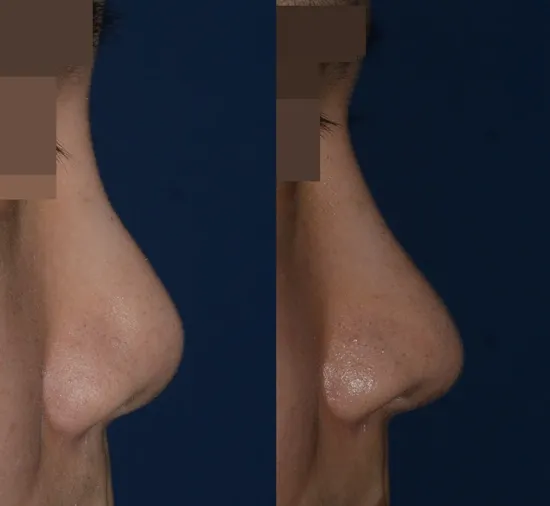
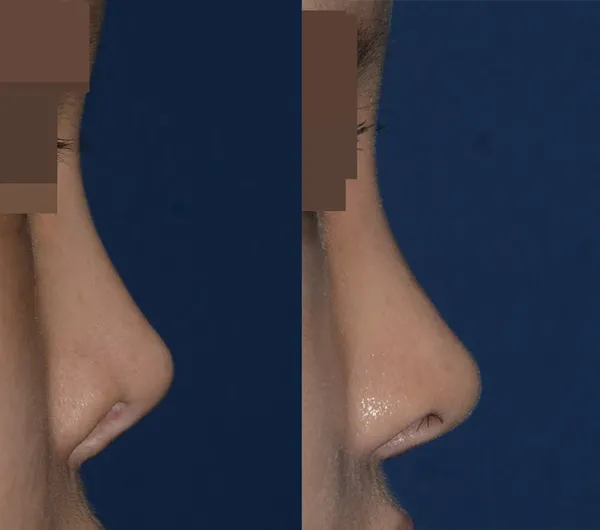
Right side

Front, 4 weeks

Right side

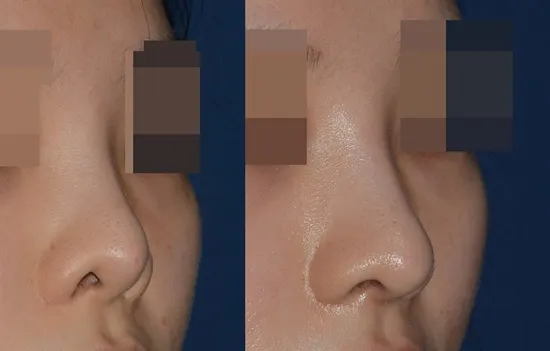
Right oblique

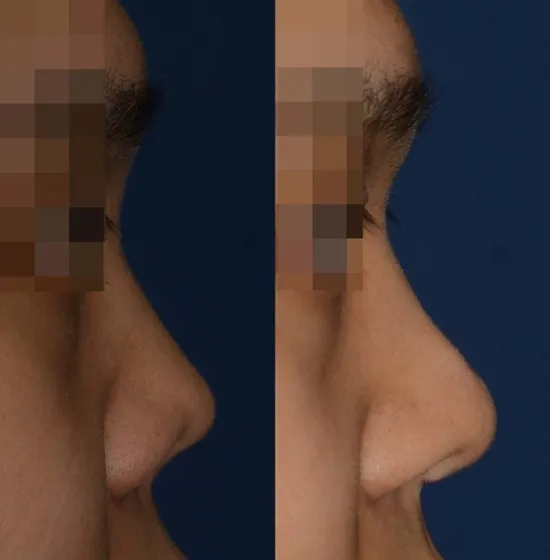
Right side

Front, 3 weeks
Results vary from person to person.
Without a second thought, I would answer: " When rhinoplasty is done with rib cartilage, the chance of the nose bending is the lowest. " Of course, raising the nasal tip with autologous rib cartilage is no 100% guarantee that the nose will not bend. This is because a bending nose is a very complex problem, not just a matter of the tip cartilage. In any case, comparing only the autologous cartilages used to raise the tip, the chance of the nose bending with rib cartilage is ve~ry low compared with the other cartilages.
A 2 cm linear scar remains on the side of the body, and it fades a lot over time. I have harvested rib cartilage from a great many people over a long time, but I have never received any particular complaint about the scar. It is usually noticeable because of the dark color, and this pigmentation keeps fading over 1โ2 years.
I make the incision about halfway between the lower chest line and the pelvic bone, and mainly use the 9th rib cartilage, sometimes the 8th. The advantage of the 9thโ8th rib cartilages over the 5thโ6th is that there is almost no chance of the complication called pneumothorax during harvest. Rib cartilage can be obtained much more safely.
However, through long-term direct and indirect experience of what became of the many donor rib cartilages used in revision rhinoplasty, for contracted noses, upturned noses and so on, I came to see quite often that a fair number of donor rib cartilages were partly or almost completely absorbed in the nasal tip, so that the tip turned up again or dropped and revision surgery was needed. It is simply that I have the know-how to obtain autologous rib cartilage safely through a small wound, and in my experience I think autologous rib cartilage is much better than donor rib cartilage in many ways, so I use only autologous rib cartilage.
When I do rhinoplasty with rib cartilage, in most cases I use rib cartilage only for the nasal tip. These days.. I use a silicone implant as much as possible, and build the bridge with rib cartilage only when I judge that an implant really cannot be used. I still sometimes use rib cartilage on the bridge, but not to raise the whole bridge: I use it so that it doesn't show from the outside, either to fill in slightly just above the nasal tip or as a small piece placed under the silicone.